
My first IPA was a New Glarus in 2006 at my best friend’s going away party. She was moving cross country, so naturally we sent her off the only way we knew how: with a keg of whatever collegiate beer someone had managed to acquire.
Then, at some point in the evening, her dad waved me over to his own personal cooler. He was drinking New Glarus IPA, and he insisted I try one. I was not going to say no to a generous offer (read: I will drink pretty much anything put in front of me), so I took a sip.
I was a goner.
Before that night, my entire outside-the-macro-world experience was New Castle, Guinness, and Stella — your classic gateway beers. The New Glarus IPA rearranged something in my brain and ever since, I’ve been trying whatever I can get my hands on. Some good. Some great. Some genuinely awful.
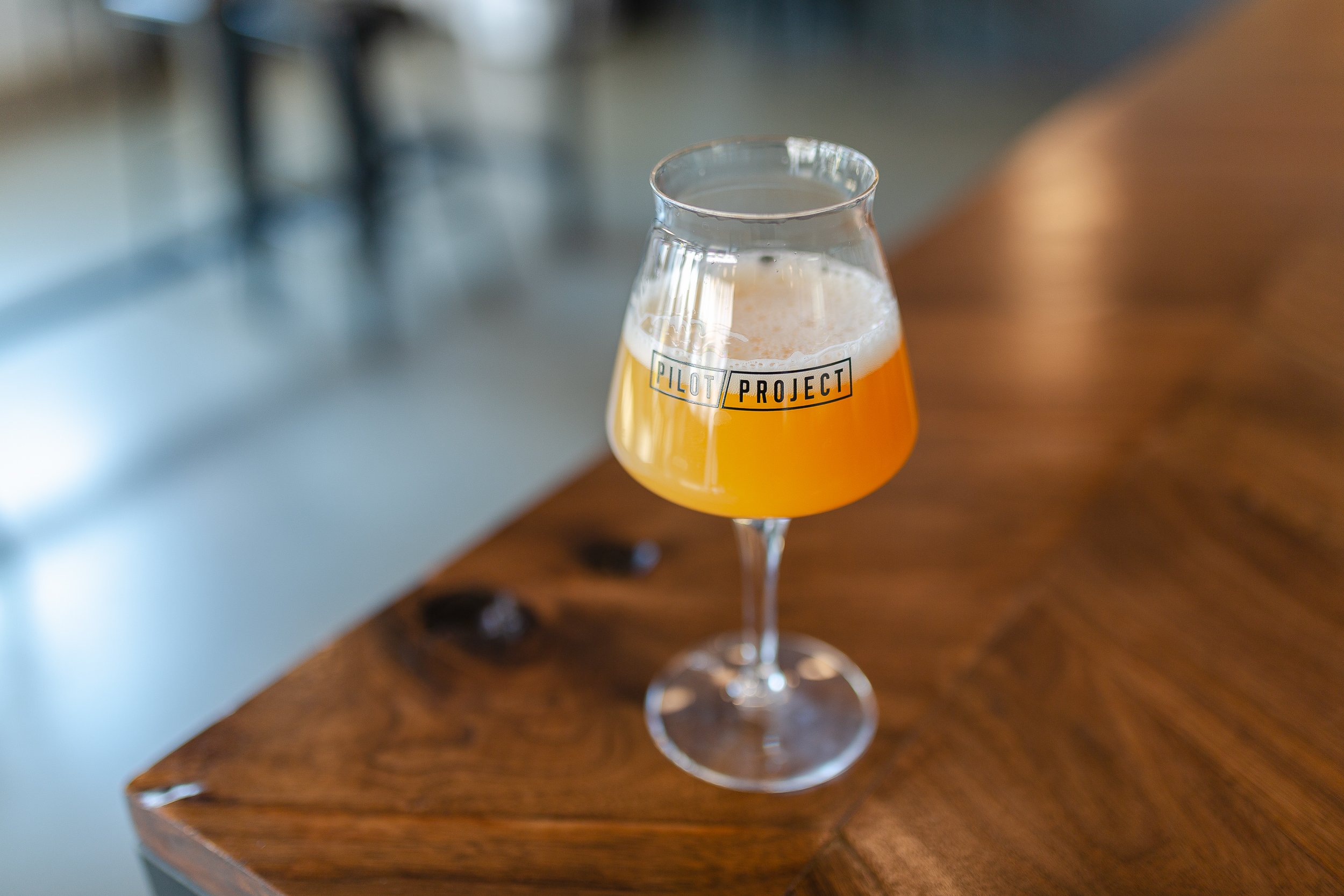
The funny thing is, “IPA” goes beyond a single flavor profile. It’s a whole category of beers that can taste wildly different from each other. Understanding the difference can change what you seek out.
What Does IPA Stand For?
IPA stands for India Pale Ale. The name comes from British brewing history, heavily hopped ales were shipped from England to India in the 1800s, and the high hop content helped preserve the beer on the long voyage.
The name stuck around long after the historical context became irrelevant, which is very on-brand for the beer world. The “pale” part just refers to the malt, pale malt produces a lighter-colored beer than roasted malt. Most IPAs range from golden to amber.
The defining characteristic is hops, a lot of them, used in ways that produce bitterness, aroma, or both depending on the style.
Types of IPAs
This is where it gets interesting, because “IPA” on a menu could mean a dozen different things. Here are the main ones you’ll actually encounter.
West Coast IPA
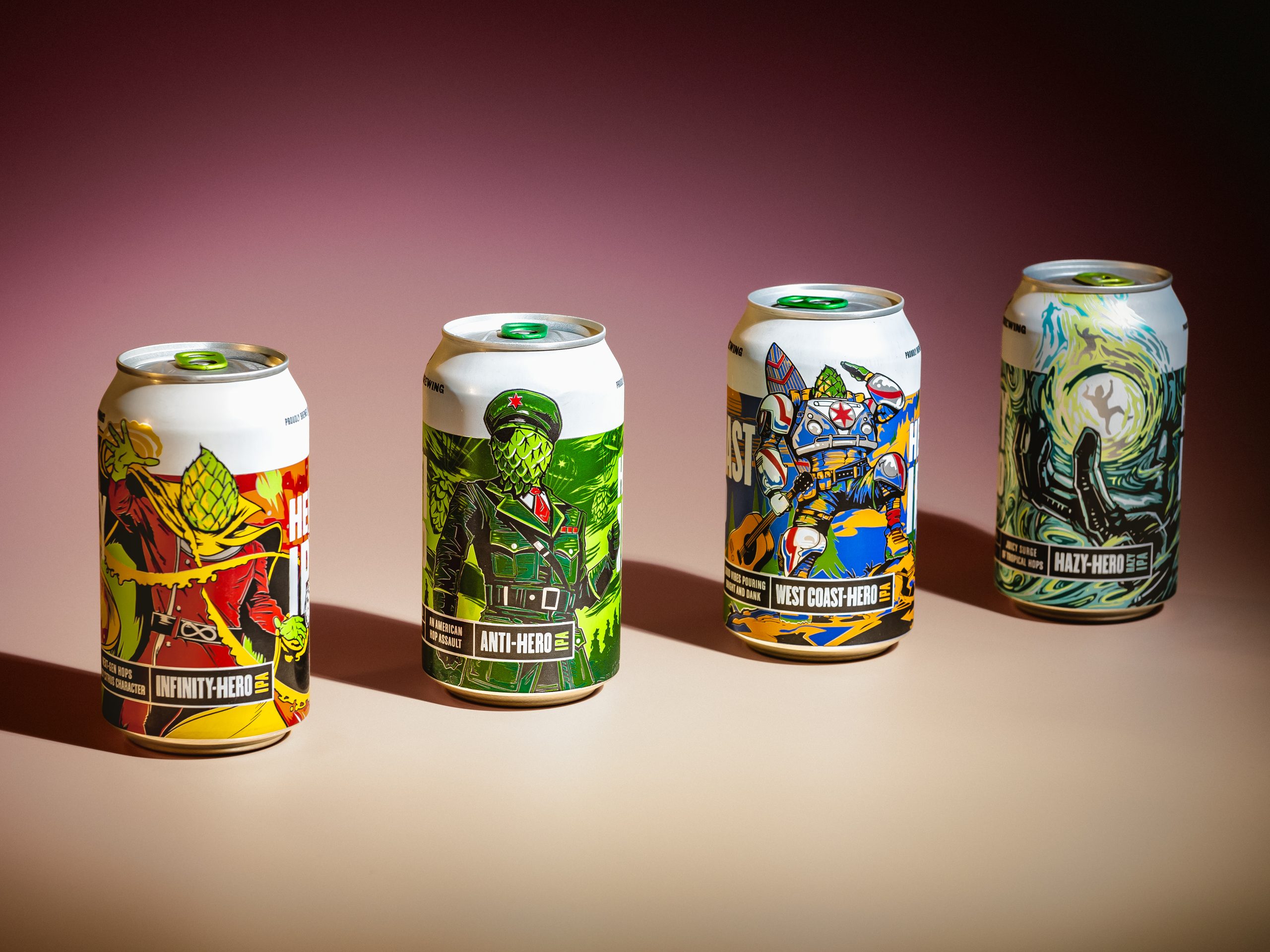
This is the classic American IPA (and my personal favorite). Crisp, clear, aggressively bitter, with resinous pine and citrus character. It’s dry and clean finishing, which means the bitterness lingers without sweetness behind it to soften it. Think Stone IPA, Lagunitas IPA, Pliny the Elder.
If your first IPA made you wince, it was probably this style. West Coasts have had a bit of a renaissance lately. Craft beer went through its hazy phase and now everyone’s appreciating the clarity and precision of a well-made West Coast again.
New England IPA / Hazy IPA
New England IPAs (NEIPAs, or just hazies) are soft, juicy, and tropical. Think mango, peach, orange, pineapple. They’re made with hops varieties and techniques that produce aroma over bitterness, and they’re almost always unfiltered, which gives them that signature cloudy, opaque appearance.
They drink more like juice than a traditional beer, which is either immediately appealing or deeply suspicious depending on your starting point. Very little to no bitterness on the finish.
If someone says they don’t like IPAs, hand them a hazy and watch them change their mind.
Double IPA / Imperial IPA (DIPA / IIPA)
Double IPAs are exactly what they sound like: more hops, more malt, more alcohol. Usually 8–10% ABV or higher.
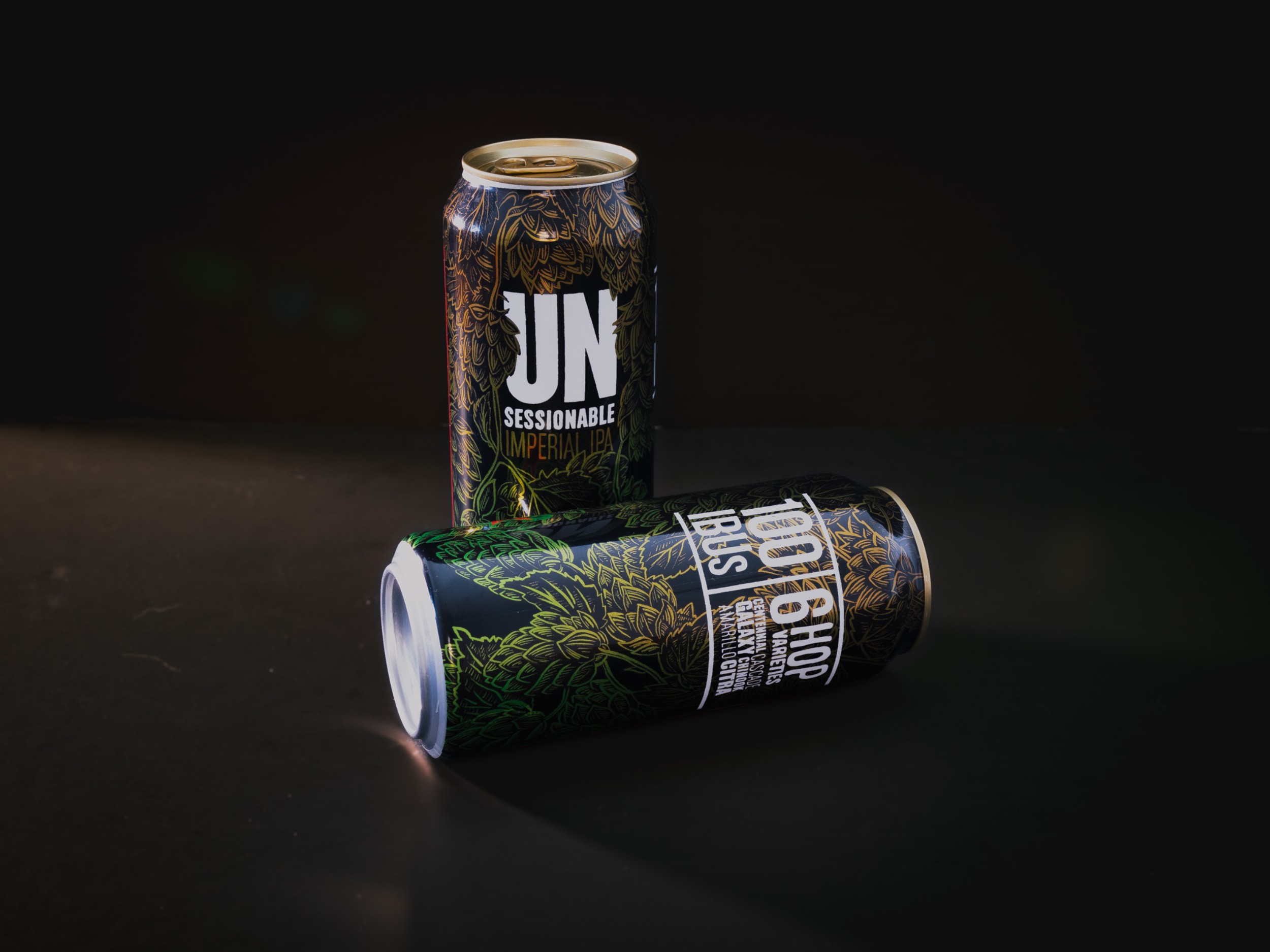
The extra malt is needed to balance the extra hops, which means DIPAs can be surprisingly drinkable for how strong they are. Dangerous, in the best way.
Doubles can be West Coast-style (bitter, resinous) or hazy-style (juicy, tropical). Pay attention to the ABV before you order two of them at a brewery (I speak from experience).
Session IPA
Session IPAs clock in at 3–5% ABV, low enough that you can drink several without forgetting your evening.
The challenge with session IPAs is that the hop character has to work harder with less malt behind it, and some of them end up tasting thin or one-dimensional as a result.
A well-made session IPA is a genuinely excellent thing. Great for day drinking!
Black IPA / Cascadian Dark Ale
An IPA brewed with dark malts, which means you get the roasty, slightly chocolatey character of a dark beer combined with the hop punch of an IPA.
The malt and hops can genuinely clash, which is why this style is polarizing. When it works, it’s excellent.
When it doesn’t, it tastes like someone made a mistake. Worth trying if you’re curious.
Brut IPA
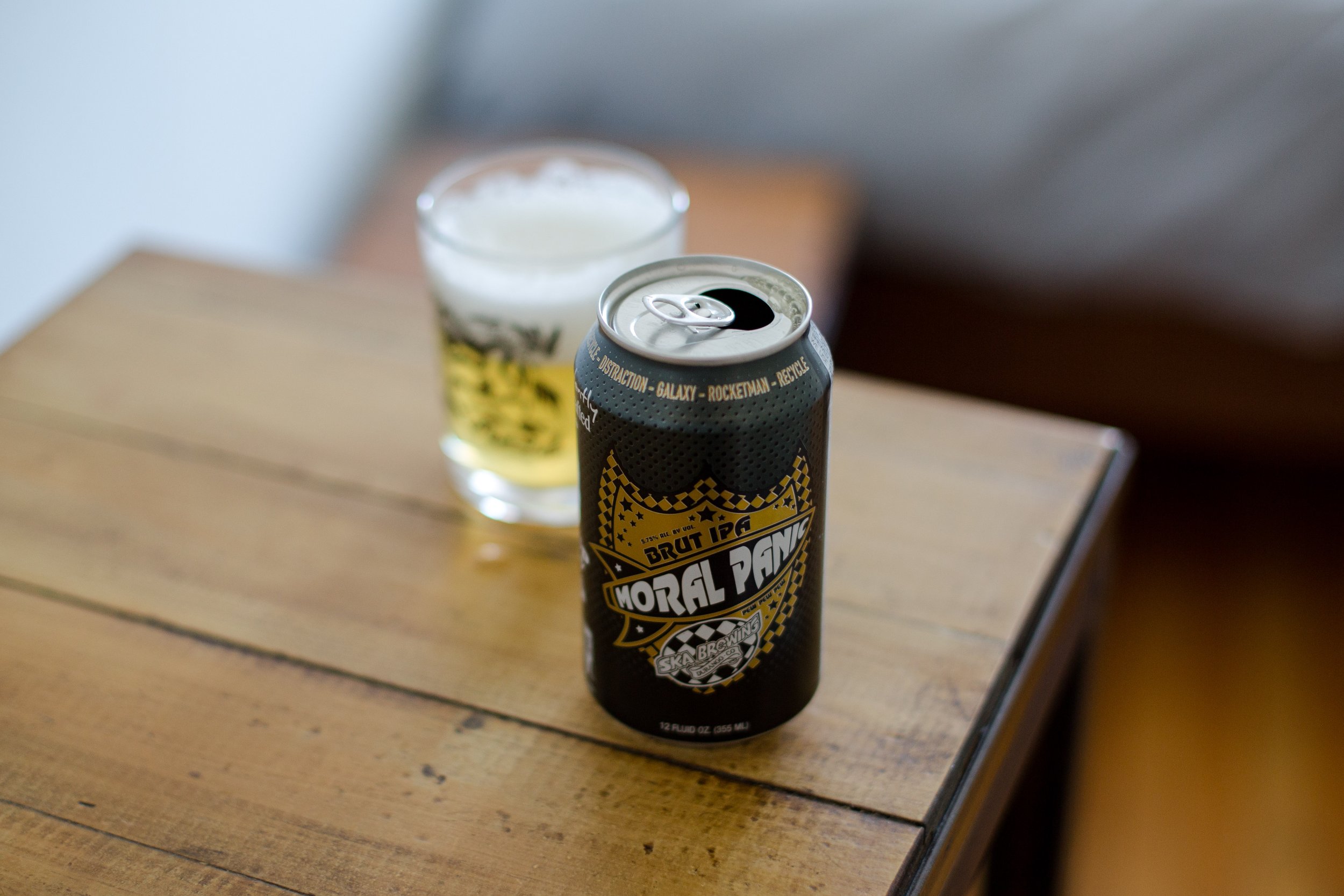
A drier-than-dry IPA that uses brewing enzymes to ferment out almost all residual sugar. The result is bone dry, ultra-crisp, and effervescent, almost like a beer-champagne hybrid.
It was a briefly popular trend that didn’t really stick around, but you’ll still see them occasionally.
Milkshake IPA / Pastry IPA
These use lactose (milk sugar, which doesn’t ferment) and sometimes fruit additions to make a very sweet, dessert-like beer.
They’re not for everyone (me especially), they can read more like a smoothie than a beer. But they have a loyal following. If you have a dairy sensitivity, watch for the lactose.
Beyond IPAs: A Quick Map of Other Major Beer Styles
IPAs get a lot of attention, but they’re one corner of a much bigger map.
Lagers are bottom-fermented and cold-conditioned, which produces a clean, crisp, highly drinkable beer. Most macro beers are lagers. Pilsners, helles, märzens, and Oktoberfest beers all fall here. Light lagers are lagers with fewer calories and lower ABV.
Pale Ales are the less-aggressive cousins of IPAs: hop-forward but more balanced, usually lower ABV, eminently drinkable. Sierra Nevada Pale Ale basically launched the American craft beer movement and is a main stay in my refrigerator.
Wheat Beers use a significant proportion of wheat malt, which produces a soft, hazy, slightly bready character. German hefeweizens are the classic. You get banana and clove from the yeast, which sounds weird but is actually delicious. Belgian witbiers (like Blue Moon, though there are far better examples) add orange peel and coriander.
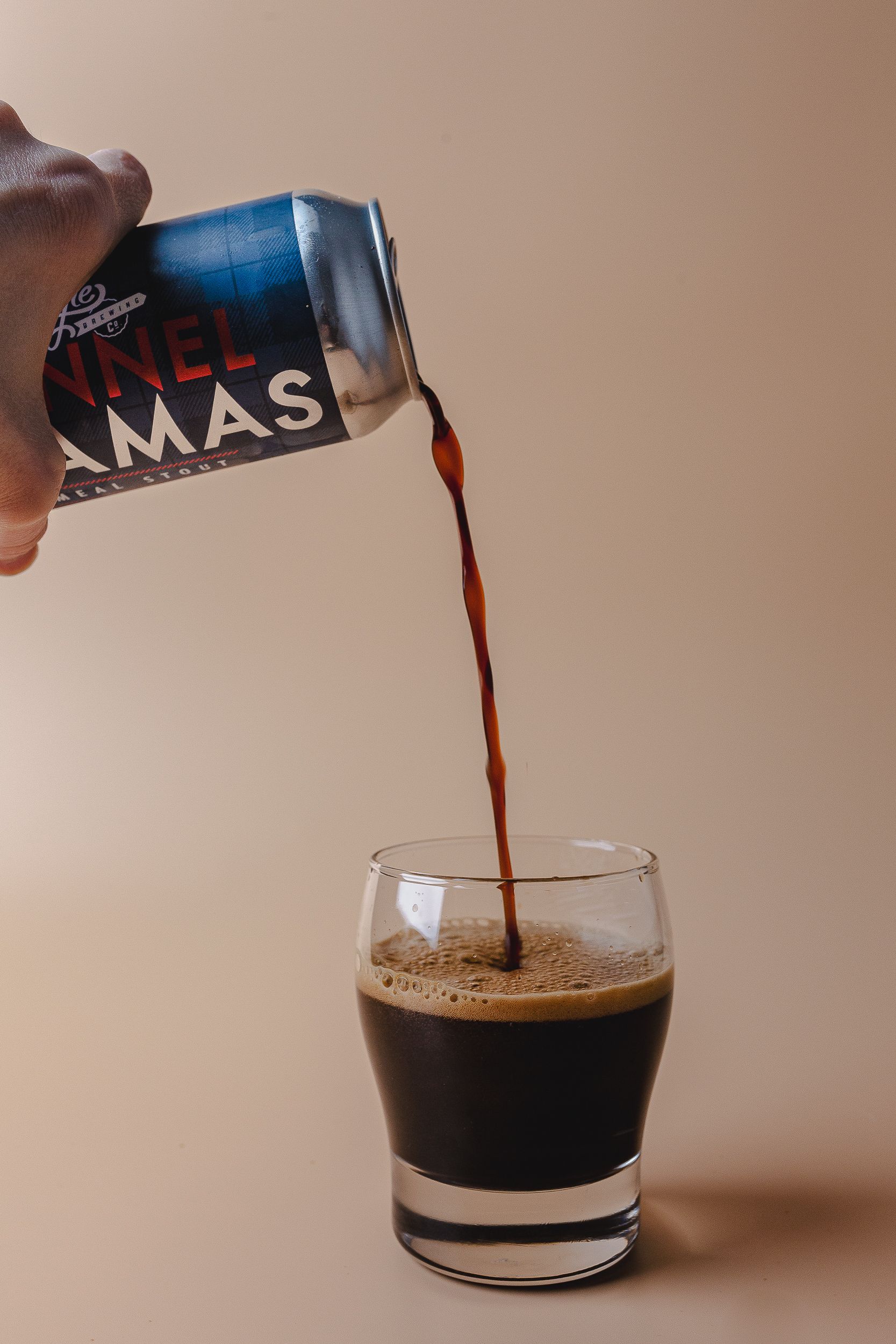
Stouts and Porters are dark beers brewed with roasted malts. Porters came first historically; stouts are generally bigger and bolder. Irish dry stouts (Guinness) are roasty, bitter, and dry. Milk stouts add lactose for sweetness. Oatmeal stouts use oats for a silky texture. Imperial stouts are massive, boozy, often aged in barrels. If you want to go deep on this style, you could spend years.
Sours cover a wide range of beers fermented with wild yeasts and bacteria that produce lactic, acetic, or other acids. They range from gently tart (Berliner Weisse, Gose) to face-puckering (Lambics, Gueuze). Fruited sours add fruit to a tart base. Kettle sours are quick-soured and consistent, and quite frankly, just not for me. Farmhouse ales and saisons live on the edge of this category; they’re not typically sour but share the wild, funky, complex character.
Amber and Red Ales sit between pale ales and darker beers: malty, coppery, caramel-forward, approachable. Good transition beers if you’re moving away from light lagers and not quite ready for stouts.
How to Figure Out What You Like
Here’s the most practical advice I can give: stop ordering based on what sounds familiar and start ordering based on flavor description.
A good tap list or bottle shop will tell you something about what the beer actually tastes like. “Tropical, juicy, hazy” is useful information. “IPA” is not.
If you’re at a good brewery or bottle shop, ask. The person behind the bar will certainly have opinions and will happily share them. “What’s the most approachable thing on tap” and “I usually like X, what would you recommend” are both great questions. Nobody working in craft beer is going to judge you for not knowing every style.
The other thing worth knowing: your palate changes. Beers you found too bitter or too funky two years ago might be exactly what you want now. Keep trying things.
FAQ: IPA and Beer Styles
What does IPA stand for?
IPA stands for India Pale Ale. The name originated with British ales heavily hopped for preservation on long sea voyages to India in the 1800s. Today it refers to a broad category of hop-forward ales brewed in many different styles.
What’s the difference between a West Coast IPA and a hazy IPA?
West Coast IPAs are clear, bitter, and dry with piney/citrusy hop character. Hazy IPAs (New England IPAs) are unfiltered, soft, and juicy with tropical fruit aromas and very little bitterness. They taste significantly different despite both being called IPAs.
Are IPAs more alcoholic than other beers?
Standard IPAs are usually 6–7.5% ABV, which is higher than a light lager (4–4.2%) but not dramatically so. Double/Imperial IPAs can reach 8–12%. Session IPAs are deliberately kept at 4–5% ABV for easier drinking.
Why are IPAs so bitter?
Bitterness in IPAs comes from alpha acids in hops, which are released during the boiling stage of brewing. West Coast IPAs use a lot of bittering hops. Hazy IPAs are loaded with hops added late in the process or after fermentation (dry-hopped), which produces aroma but very little bitterness.
What’s the difference between a stout and a porter?
Stouts evolved from porters — historically stout just meant a strong porter. Today stouts tend to be fuller-bodied and more intensely flavored than porters, but the line is blurry and breweries use the terms loosely. Both are dark beers brewed with roasted malts.
What is a session beer?
A session beer is any style brewed at lower ABV (generally under 5%) for extended drinking. Session IPAs, session stouts, and session sours all exist. The idea is that you can drink multiple over a long stretch without the alcohol catching up to you.
What beer style should I try if I don’t like IPAs?
Start with wheat beers (hefeweizen or witbier) or a well-made pale ale. Both are hop-present but not aggressive, and have a softer malt character. If you want to go darker, try a milk stout or an oatmeal stout before jumping to an imperial stout.
What makes a beer “craft”?
In the US, “craft brewery” generally refers to small, independent breweries that produce under 6 million barrels per year and are not majority-owned by a large alcohol company. The term is loosely defined and increasingly complicated as large conglomerates have acquired craft brands — but craft generally implies smaller-scale, independently made beer with more variety and experimentation than macro lagers.