
There’s a six-pack of something-or-other sitting in the back of my fridge. I don’t remember buying it. I don’t remember who brought it over. I’m not even totally sure what it is. And yet, some primal force of beer-person logic is telling me not to throw it out without at least investigating first.
Sound familiar? Yeah. I thought so.
The question of whether beer goes bad is one I’ve fielded many times. Usually from someone holding a dusty bottle at arm’s length with a look of genuine concern on their face. The short answer is: yes, beer can go bad. But “bad” is doing a lot of work in that sentence. Whether it’s unsafe to drink is a different question than whether it tastes the way it’s supposed to, and those two things are often confused.
Here’s everything you need to know.
Does Beer Actually Expire
Technically, yes. But not in the way milk expires. Beer doesn’t suddenly become dangerous to drink the day after its best-by date. It won’t grow mold (the alcohol and hops make it pretty hostile to the kinds of bacteria that would actually make you sick).
What changes is the flavor. Beer is a perishable product, and over time, the compounds responsible for making it taste the way the brewer intended break down. Light, heat, and oxygen are the enemies.
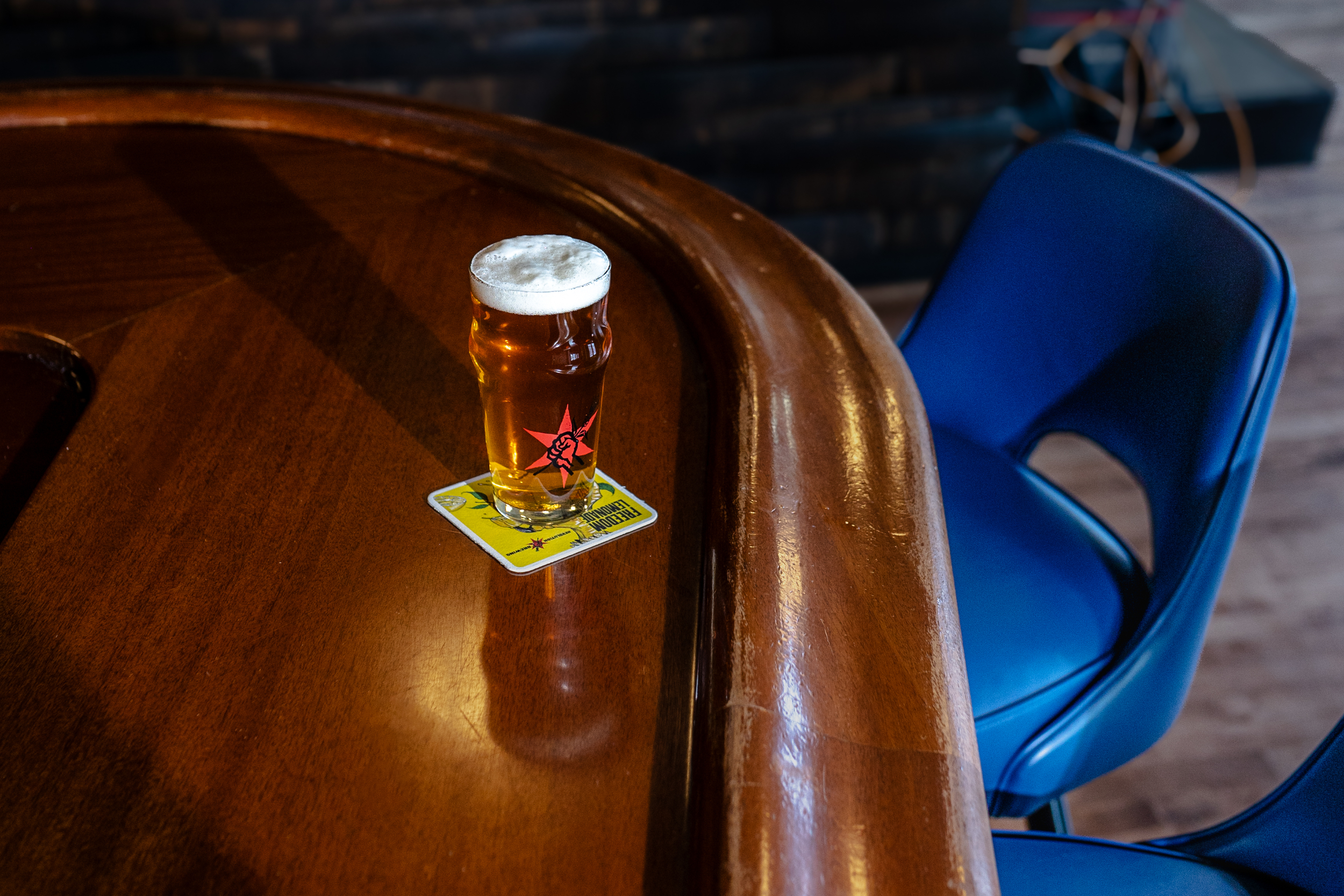
So when a beer “goes bad,” what you’re really dealing with is a beer that has gone stale, flat, or off-flavored; not one that’s going to send you to urgent care. That’s an important distinction if you’re the type of person (hi) who has a hard time throwing perfectly drinkable beer away.
How Long Does Beer Last? Shelf Life by Style
Not all beer is created equal when it comes to shelf life, and this is where style matters a lot. Here’s a rough guide:
| Beer Style | Fridge Shelf Life | Pantry / Room Temp |
|---|---|---|
| Light lagers (Bud Light, Coors Light, Miller Lite) | 6–9 months | 3–4 months |
| Standard ales, IPAs, pale ales | 6–9 months | 3–4 months |
| Sours and wild ales | 12–18+ months | 6–12 months |
| Stouts and porters | 6–12 months | 4–6 months |
| Barrel-aged / imperial stouts | 2–5+ years | 1–3 years |
| Hop-forward IPAs and hazy IPAs | 3–4 months MAX | Drink immediately |
None of this should be shocking if you’ve had a fresh-versus-old IPA side by side. Hops are volatile, and the compounds that give a juicy New England IPA its tropical punch start degrading fast after packaging. A hazy IPA that’s been sitting on a shelf for four months tastes nothing like it did fresh: the brightness dulls, the fruit fades, and you’re left with something kind of generic. IPAs are meant to be bought and drunk, not stored.
Barrel-aged beers are the opposite; they’re built to age, but that doesn’t mean they’re immune to time. Very old barrel-aged beers can tip over into something medicinal and soy-sauce-like as the alcohol oxidizes and the malt character breaks down.
The sweet spot varies by beer, but the general principle applies here too: don’t sit on them forever just because you can. Open them. That’s the point.
What Does the Date on the Can or Bottle Actually Mean?
Most American breweries print a “best by” or “packaged on” date rather than a hard expiration date. A few things worth knowing:
- “Best by” dates tell you when the brewery thinks the beer is at its peak flavor. It’s not a hard cutoff, it’s more of a suggestion.
- “Packaged on” dates tell you when the beer was canned or bottled. You do the math on freshness.
- Some European imports don’t use the same date format conventions, so pay attention to the format (DD/MM/YY vs. MM/DD/YY) or you might think a beer is brand new when it’s actually been sitting on a boat for three months.
A beer that’s a week or two past its best-by date is probably fine. A beer that’s six months past it? Definitely worth a sniff before committing to a full pour.
Does Beer Go Bad If It Gets Warm?
Oh, this one. There’s a persistent myth floating around that beer is ruined forever if it warms up and then gets cold again; the so-called warm-cold-warm cycle. The truth is a little more nuanced.
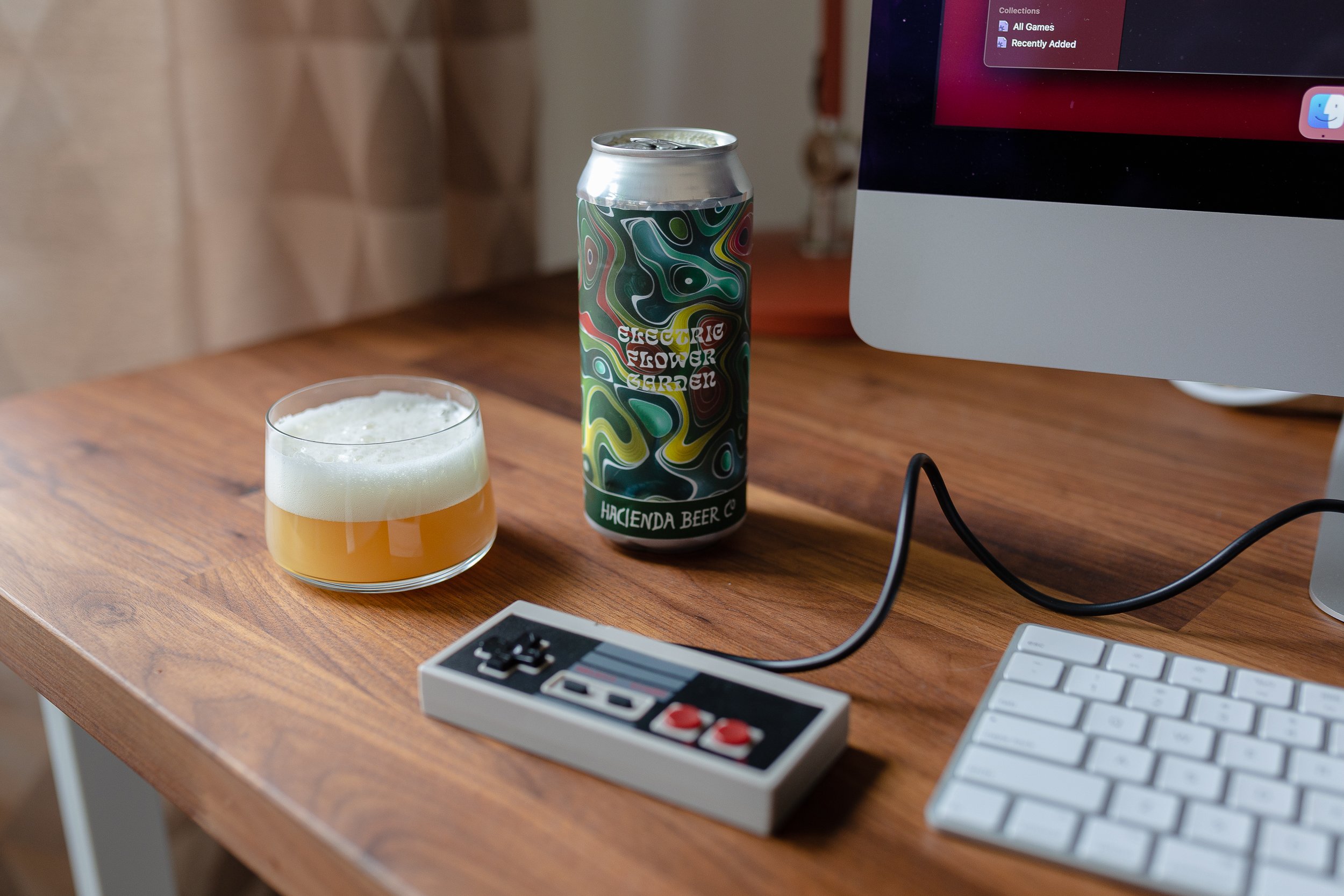
Warming beer does accelerate the chemical reactions that cause it to stale. Each time beer warms up, those reactions speed up. So a beer that has been taken in and out of the fridge multiple times will age faster than one that stayed consistently cold. But a single warm-up won’t destroy it. The problem is cumulative exposure to heat over time, not one trip in a warm car.
That said, if you’ve got light lagers that spent a summer in a garage and are now back in the fridge, just… temper your expectations. They’ll probably taste a little papery or flat. They won’t hurt you. They’ll just be underwhelming, which is honestly a different kind of suffering.
The bigger enemy of any beer is direct sunlight. UV light triggers a chemical reaction in hops that produces a compound nearly identical to the one skunks spray as a defense mechanism (looking at you Heineken and other green and clear bottled beers).
This is why good bottle shops keep their beer refrigerated or in dark storage, why many craft breweries prefer cans, and why “skunky” is an actual flavor descriptor that beer people use with full seriousness.
Does Beer Go Bad If It’s Unopened?
An unopened, properly stored beer will stay within its best-by window as long as it’s kept out of heat and light. Refrigeration extends shelf life significantly.
A beer that’s been in the fridge since you bought it will outlast one that’s been sitting on a warm pantry shelf by a few months, minimum.
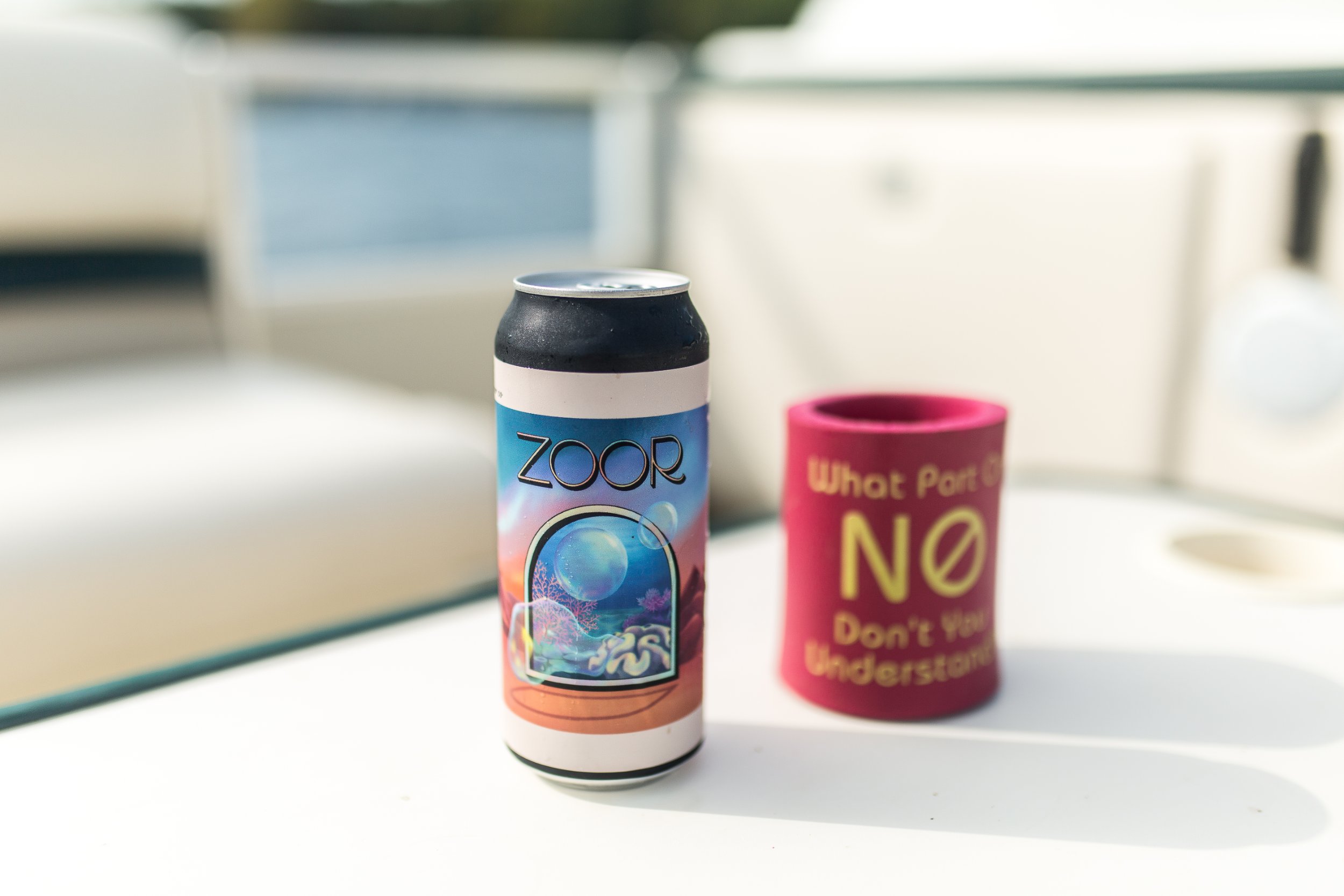
The seal on a can or bottle is pretty effective at keeping oxygen out, which is the main driver of staling in packaged beer. So as long as that seal is intact and you’re not subjecting the beer to extreme temperature swings or sunlight, an unopened beer is relatively stable within its recommended window.
Does Beer Go Bad After Opening?
Yes, and fast. Once you crack a beer, the clock starts ticking pretty aggressively. Exposure to oxygen begins the staling process immediately, and the carbonation starts to escape.
An opened beer left in the fridge with a bottle cap or stopper on it might still be okay the next morning: slightly flat, slightly oxidized, but drinkable. After 24–48 hours, it’s a shadow of itself. After that, just use it to cook brats and move on with your life.
There is no saving an opened beer for more than a day or two. That’s just the reality.
How to Tell If Beer Has Gone Bad
You don’t need a chemistry degree. Your senses will tell you:
Smell it first. Bad beer usually smells off before it tastes off. Skunky (sulfuric), vinegary, cardboard-y, or musty are all signs that something has gone wrong. A light lager that smells like a cardboard box has oxidized.
Look at it. If there’s unusual cloudiness in a beer that’s supposed to be clear, or visible floaties that aren’t just yeast sediment, that’s a flag. Flat-looking beer with no carbonation when you pour it is also a tell.
Take a small sip. If it tastes stale, papery, or just deeply wrong — pour it out. Life is too short for bad beer, even if throwing it away physically hurts.
One important note: some flavors that seem “off” are actually intentional. Sour beers are supposed to be acidic and funky. Belgian tripels can smell like banana and clove. Smoked beers taste like a campfire on purpose. If you’re not sure whether what you’re tasting is a flaw or a feature, look it up before you dump it.
Where You Buy Beer Matters More Than You Think
Fresh beer starts with where you buy it. The closer to the source, the better.
Brewery taproom or direct from the brewery is the gold standard. The beer may have been packaged days ago. This is as fresh as it gets. Buy it, drink it.
Dedicated bottle shops that take beer seriously rotate their stock, keep IPAs refrigerated, and pull old inventory. These are reliable. The staff usually knows what they have and when it came in.
Grocery stores and smaller corner liquor stores are where things get dicey. Turnover is slower, beer may sit on warm shelves, and nobody is checking packaging dates. Always flip the can or bottle and look for the packaged-on or best-by date before you buy.
If something was canned or bottled more than two or three months. Especially if it’s an IPA or anything hop-forward. Keep looking.
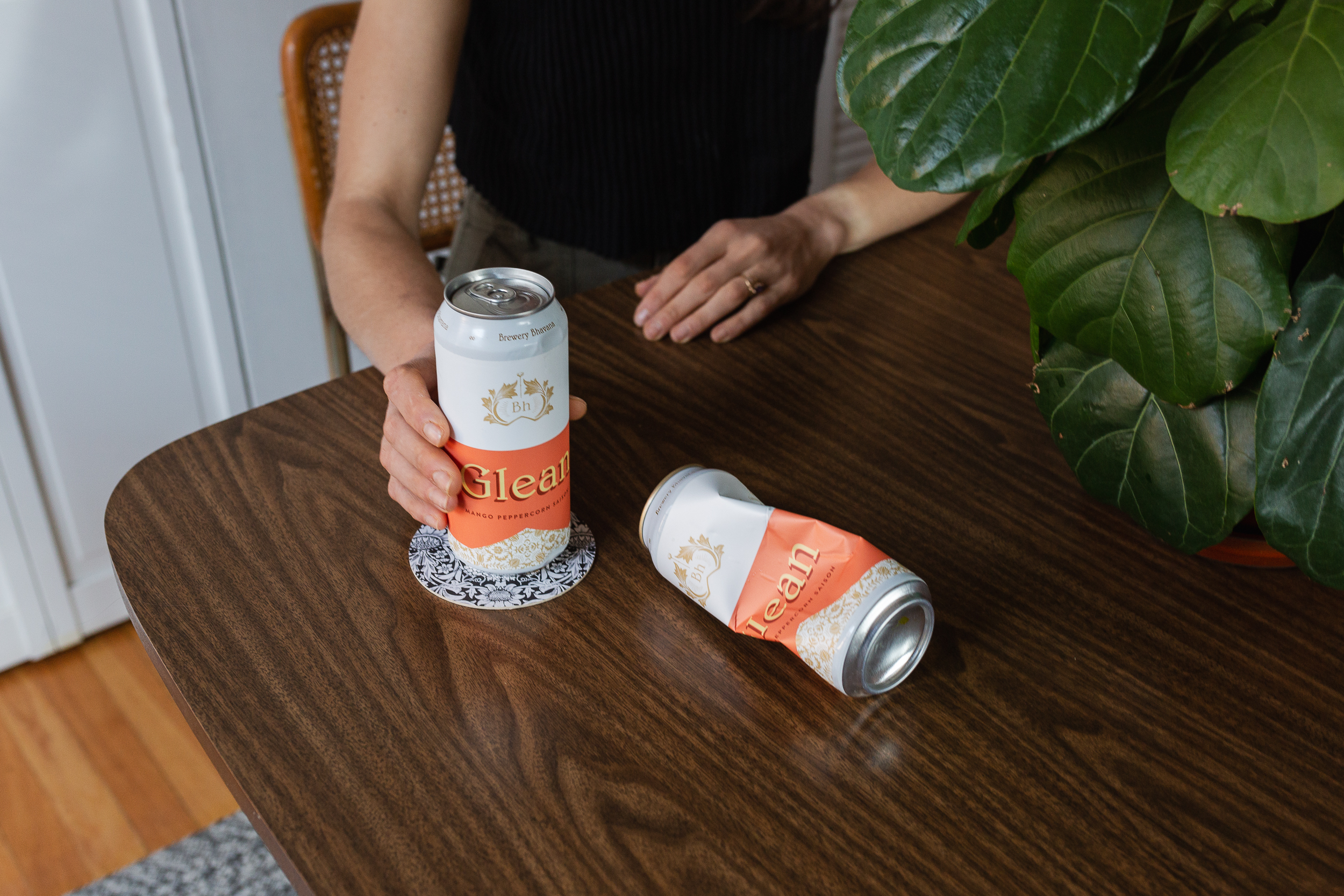
One more thing: most of this applies to craft beer. The big macro lagers (your Bud Lights, your Coors) are pasteurized, made to be stable, and engineered for exactly this kind of distribution.
A Coors Light that’s been on a warm shelf is still going to taste like a Coors Light. The freshness conversation is really about craft, and especially about anything hop-driven.
A Quick Word on Homebrewed and Unpasteurized Beer
If you’re dealing with a bottle from a local brewery that doesn’t pasteurize (many craft breweries don’t), or a homebrew from a friend, the shelf life is generally shorter and the variance is higher.
These beers can also develop more active carbonation over time if there’s residual yeast. Keep them refrigerated and drink them sooner rather than later.
The Bottom Line
Beer doesn’t go bad in a dangerous, food-safety sense — but it does go stale, and some styles go stale faster than others. Buy IPAs fresh and drink them quickly.
Treat barrel-aged stouts like wine and give them time. Keep everything away from heat and light.
And if something smells like a skunk or tastes like a wet cardboard box, just pour it out and open something better.
If you found yourself here because you’re also trying to figure out how many calories are in that mystery six-pack you just excavated from the back of the fridge. I’ve got a calculator for that, too.
FAQ: Does Beer Go Bad?
Does beer go bad? Yes, beer can go bad, but it won’t become unsafe to drink the way food does. What changes over time is flavor. Beer goes stale, flat, or off-tasting, especially when exposed to heat, light, or oxygen. It won’t make you sick, but it may taste significantly worse than intended.
How long does beer last? It depends on the style. Light lagers and standard ales keep 6–9 months refrigerated. Hop-forward IPAs are best within 3–4 months of packaging. Barrel-aged stouts and sours can last years. Check the best-by date and keep beer cold and out of direct light.
Does beer expire if unopened? An unopened beer in proper storage (cold, dark) will stay at peak quality until its best-by date and often a bit beyond. The seal keeps oxygen out, which is the main driver of staling. A beer stored in a warm pantry will age faster than one kept in the fridge.
Does beer expire if it gets warm? Warming beer speeds up the chemical reactions that cause staling. One warm-up won’t ruin a beer, but repeated temperature swings or prolonged heat exposure will accelerate aging and flatten flavor. Keep beer refrigerated when possible.
Does beer go bad after opening? Yes, quickly. An opened beer starts oxidizing and losing carbonation immediately. It’ll be noticeably flat and stale within 24–48 hours even with the cap back on. Drink it the day you open it.
How do you know if beer has gone bad? Smell it: skunky, vinegary, or cardboard smells are the biggest tells. Look for unusual cloudiness or flatness. A small sip will confirm: if it tastes papery, musty, or just wrong, pour it out.
Does beer go bad if it gets skunky? Skunky beer has been exposed to UV light, which triggers a reaction in hop compounds that produces a sulfuric smell almost identical to skunk spray. It’s not dangerous, but it doesn’t taste good. Cans and brown bottles protect beer better than clear or green glass.
What is the shelf life of beer? Light lagers: 6–9 months refrigerated. IPAs: 3–4 months. Stouts and porters: 6–12 months. Sours and barrel-aged beers: 1–5+ years depending on style and ABV. Always check the best-by or packaged-on date printed on the can or bottle.